
Knowledge Hub
Industry Insights
Deep dives into transport and tourism operations. Real data, actionable strategies, no fluff.

Table and Seating Management for Dinner Cruises and Event Sailings
If you run a dinner cruise or an event sailing — a vessel that leaves the dock with guests seated for a meal, a celebration, a corporate function, or a themed evening — you already know the booking is only half the job. The other half is…
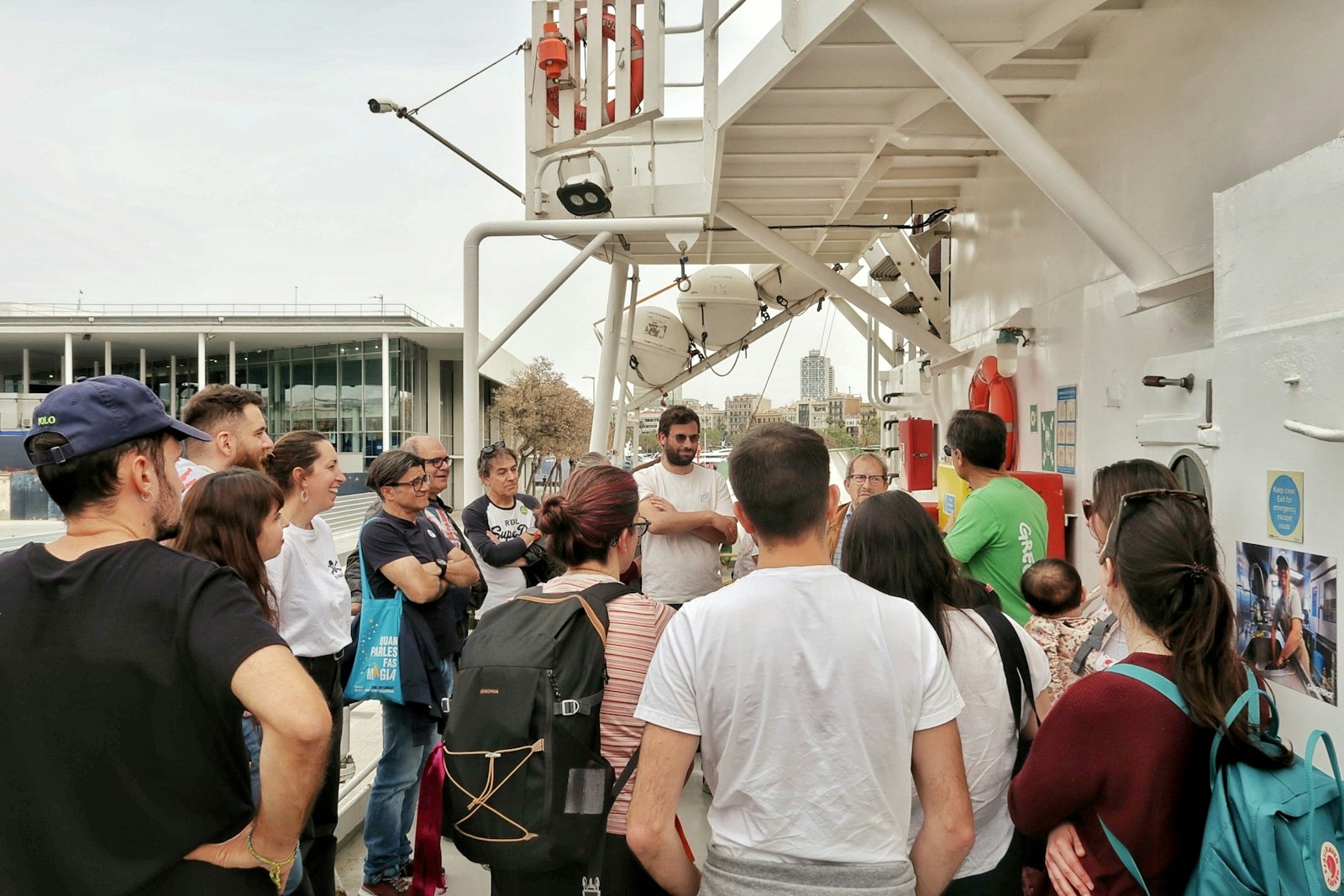
Shared-Resource Scheduling: When One Guide, Boat, or Bus Serves Multiple Tours
The morning whale-watch sells out, and that's a good problem. The midday private charter takes a deposit an hour later, and that's a better one. Then the sunset cruise fills, and somewhere in the office a quiet panic begins, because all…

Equipment-Constrained Tours: Booking Around Limited Kayaks, Bikes, and Wetsuits
The tour sold out. Twelve spaces, twelve bookings, a tidy green tick on the calendar. Then the group arrives, and the operator counts: eight double kayaks in the shed, two of them still drying from the morning session, and a rack of…
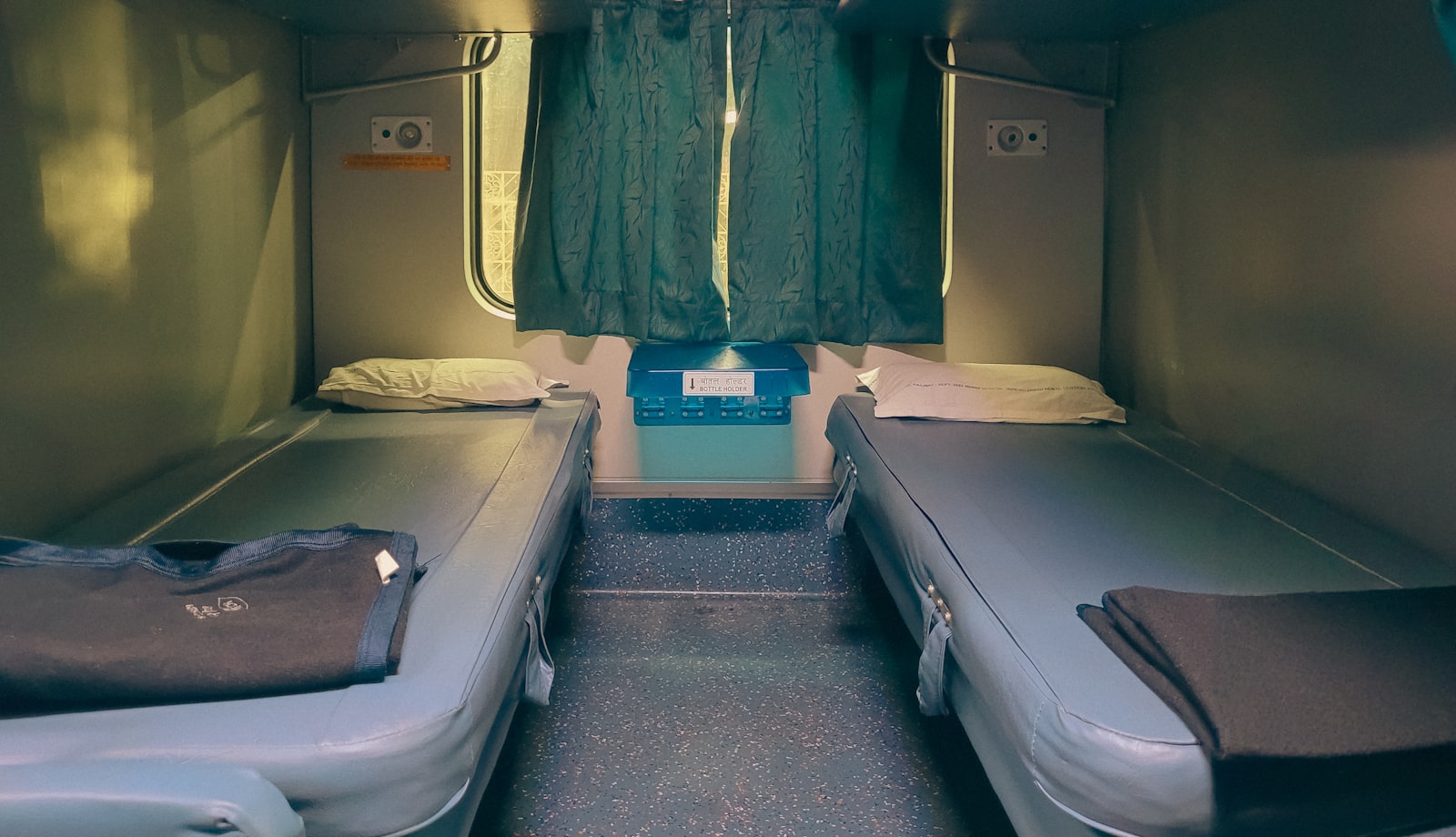
Berth vs Seat Inventory: Why Sleeper Rail Breaks Generic Booking Systems
If you run an overnight or sleeper service, you already know your inventory isn't a seat count. You sell berths inside compartments, compartments inside categories, and the same physical space behaves differently depending on who's buying…

Selling the Same Train as Seats by Day and Berths by Night
If you run rail that changes shape depending on the run, you already know the awkward part isn't the train. It's the booking system. The same carriage that carries a corridor of seated passengers on the morning service folds into a handful…
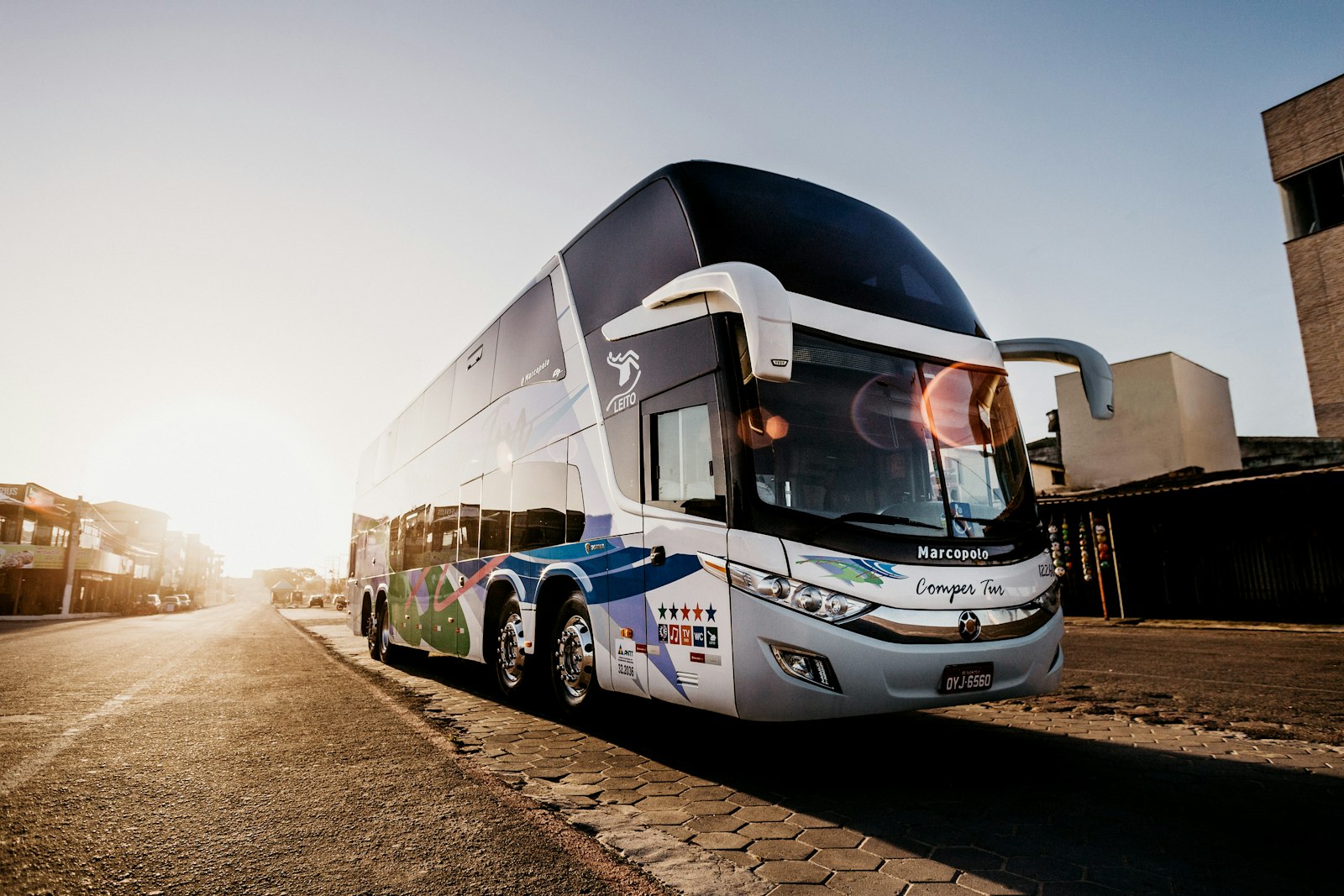
Multi-Leg Coach Routes: Selling Segments Without Overselling the Bus
If you run a scheduled coach that picks up and drops off at more than two stops along a route, you've already met the problem this article is about — even if you've never named it. A passenger boards at the third stop and gets off at the…
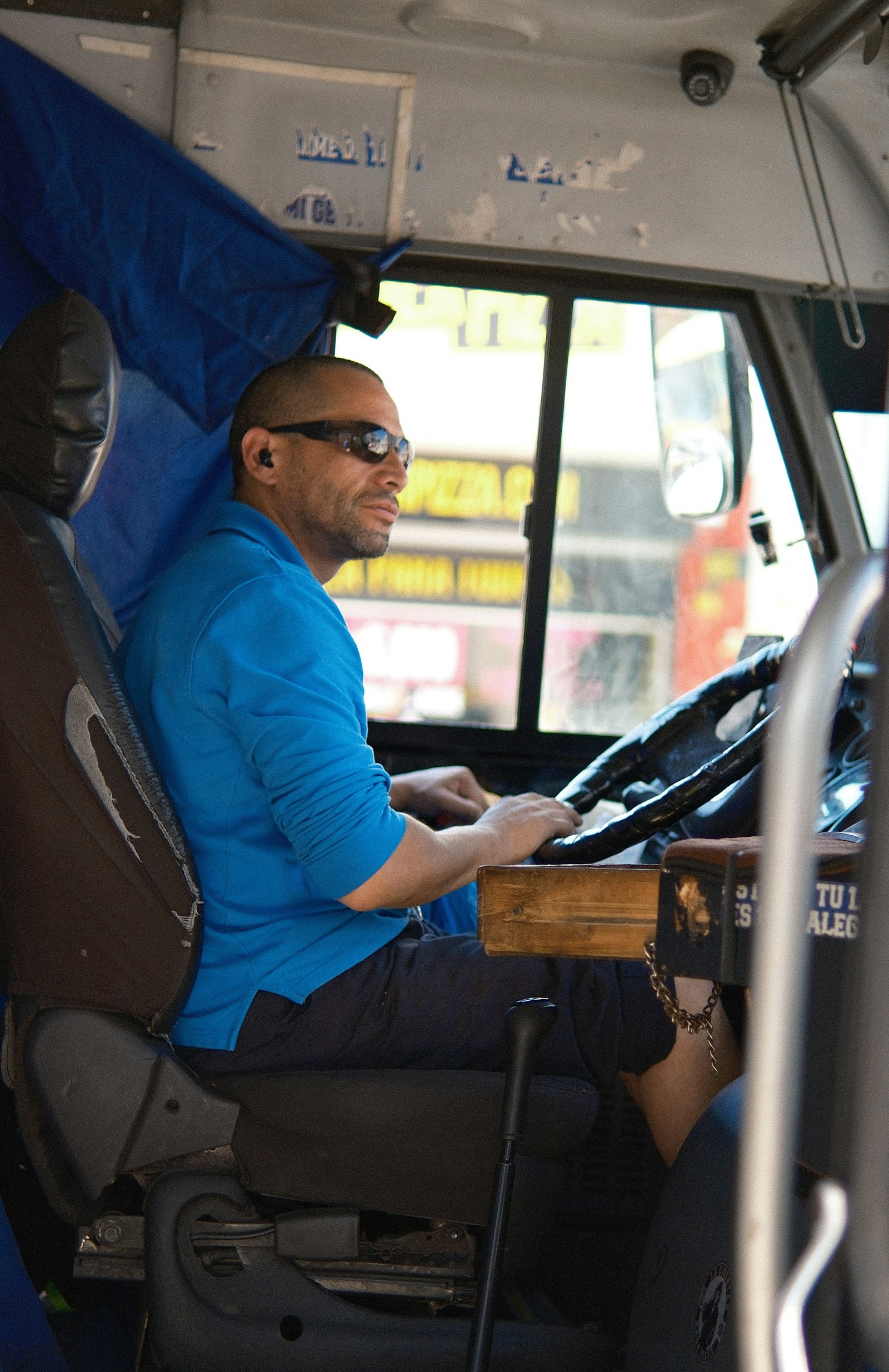
Relief Drivers and Vehicle Swaps: Keeping the Manifest Right Mid-Route
The run leaves the depot clean. One coach, one driver, a manifest everyone agrees on. Then reality arrives. The driver hits a mandated rest break down the line and a relief driver takes the wheel at a roadside changeover. A coach throws a…

Cabin Inventory for Multi-Night Cruising: Why Per-Night Logic Isn't Enough
If you run multi-night cruises — a river vessel, a small coastal ship, an expedition vessel, a liveaboard — your inventory is a fixed number of physical cabins, sorted into a handful of categories, sold months ahead through your own…

The Psychology of Transport Pricing: What Airlines Taught Us
For about fifty years, airlines have been the most aggressive applied laboratory for pricing psychology in any consumer industry. Yield management, fare buckets, frequent-flyer points, last-minute discounting, advance-purchase premiums…

How to Choose a Tour Operator Booking System
If you've reached the point of comparing tour operator booking systems, you've already made the harder call — the platform you run today isn't going to carry the next two or three seasons. What's left is choosing the replacement well, so…

How to Choose an Accommodated Cruise Booking System
If you've reached the point of comparing accommodated-cruise booking platforms, you've probably already worked out that the platform you run today isn't going to carry the operation through the next two or three seasons. What's left is…
How to Choose a Sleeper Rail Booking System
If you've reached the point of comparing sleeper-rail booking platforms, you've usually arrived at one of two places. The system you inherited was written for a daytime intercity railway and has been bent uncomfortably around overnight…

How to Choose a Vehicle Ferry Booking System
A vehicle ferry is not a passenger boat with cars on it. The deck is a physical structure with measurable constraints — lane metres of usable length, tonnage rated per deck, overhead clearance under cover, dangerous-goods rules governing…

The Real Cost of System Migration: A Comprehensive Calculator
The booking platform sales pitch usually opens with the headline price. Per booking, per seat, per month — whichever framing the vendor has chosen. Whatever number sits in that pitch is almost always the smallest line item in the…
How to Choose a Bus & Coach Booking System
If you've started comparing coach booking platforms, you've already made the harder call — the one you run today isn't going to carry the next two or three seasons. What's left is picking the replacement well, so the next switch is the…

How to Choose a Multi-Modal Booking Platform
The real decision isn't "which booking platform". It's "how do we stop selling our packaged trips as three separate transactions on three separate systems and start selling them as one". By the time an operator searches for this, they've…

How to Choose a Ferry Booking System
If you've landed here, you've probably already made one decision — the booking platform you're running today isn't going to carry the operation through the next two or three seasons. What's left is the harder decision: which one to switch…

Booking-System Uptime: What "99.9%" Actually Means for Your Operation
The marketing page says "99.9% uptime". The operator reads it the way it's intended: the system is almost always up, and the 0.1% it isn't will be small, occasional, and probably at 3am on a Tuesday when nobody's buying anyway.

Weather Contingency Planning: A Framework for Resilient Operations
It is 18:00 the night before. The skipper is at the kitchen table with a tablet, a coffee, and three forecast models open. One says the wind will swing south at 04:00 and ease by sunrise. Another holds the front offshore until 09:00. The…
The True Cost of Downtime: Calculating Operational Resilience
It is 8:47am on a Saturday in peak season. The wharf is filling. Three sailings are due to load before lunch. The dispatcher refreshes the booking dashboard and the page is grey. The point-of-sale app on the counter staff's tablet has…

Inventory Pooling Strategies for Multi-Location Operators
It is 09:42 on a peak Saturday. The 10:00 sailing on Vessel A is closed off — sold out at 200 seats for the past three days. The 10:00 sailing on Vessel B, leaving from the same terminal on a parallel route, has 38 seats unsold and seven…
Dangerous Goods on Vehicle Ferries: A Practical Guide to Hazmat Declaration, Class Restrictions, and Deck Allocation
It is the third sailing of the day. The kiosk queue is twelve deep, the boarding ramp is open. A tradesman ute rolls onto the loading lane — friendly driver, regular customer, booked online as "1 car". The deck supervisor walks the lane…

Build vs Buy vs Hybrid: A Decision Framework for Tourism Tech
Almost every transport and tourism operator runs into the same fork eventually. The booking platform is creaking, the spreadsheet has grown a hundred tabs, the till is from a vendor that stopped returning emails three years ago, or the…

Operational KPIs That Predict Business Health for Transport and Tourism Operators
The first sign that the season was going to disappoint was a quiet Tuesday in March. The operator looked at the dashboard — revenue tracking on plan, occupancy on plan, customer-satisfaction scores up two points on last year — and went…
Real-Time Manifest: What Live Data Actually Changes for Operators
It is 07:42 on a Saturday morning. The 08:00 sailing is fifteen minutes out. The office printed the manifest at 07:20 — every name accounted for, every vehicle slot allocated, every concession flagged. Forty minutes of work that looked…
Resident-Card Verification on Community Ferry Routes: Designing the Right Friction
The 7:15 sailing is the one the school-run residents catch. The wharf staffer is new this season — three weeks in, still learning faces. A woman hands across a resident card with a confident "morning, on a resident return". The photo is…

Market Consolidation in Tourism: What Independent Operators Need to Know
A pattern has been running through transport and tourism for the better part of a decade, and it has accelerated since the post-pandemic recovery began. Large online travel agencies are buying the booking software that operators use to run…
The Science of Overbooking: Risk vs Reward Calculations
Every transport and tourism operator has watched it happen. A peak Saturday sailing closed off ten days in advance, no seats available, the booking system showing zero. Twelve minutes before departure, ninety percent of the manifest is at…

Revenue Management for Beginners: A Step-by-Step Framework
Most small and mid-sized transport and tourism operators are leaving five to fifteen percent of their annual revenue on the table without realising it. Not through fraud, not through bad service, not through anything dramatic. Through…

Multi-Skipper Revenue Attribution for Co-Op Fleets
It is the last Friday of the season. The co-op secretary has the morning blocked out for the end-of-year reconciliation. Six independent skippers ran a shared service across 180 operating days, with the rota shifting weekly through the…

Weather Cancellation Comms: From Panic to Push-Button
It is 06:00 on a Saturday. The skipper is on the wharf, looking at a swell that wasn't in last night's forecast. The harbour master has just radioed. The 09:00 sailing is off. So is the 11:30. So is the afternoon tour out of the marina…

Why Booking Systems Built for Activities Struggle with Vehicle Decks
The booking system was working perfectly. Tours. Dive trips. Sunset cruises. One product, one capacity number, one button. The operator added a vehicle-ferry route — same wharf, second vessel, fifteen-car deck — expecting to wire it up the…

Concession Recognition at Point of Sale (Without Manual Cross-Checking)
It's 8:42 AM at the wharf. A retiree hands over a Seniors Card. The crew member at the kiosk squints at it, types the discounted fare into the till, and waves the next person forward. Behind: a parent with two kids, a student with a…
Council Ferry Contracts: Audit-Grade Reporting Done Right
It is the last week of the quarter at a council-contracted vehicle ferry. The auditor's spreadsheet template has just landed in the operator's inbox. It wants per-sailing manifest counts, resident-card concession totals broken out by card…
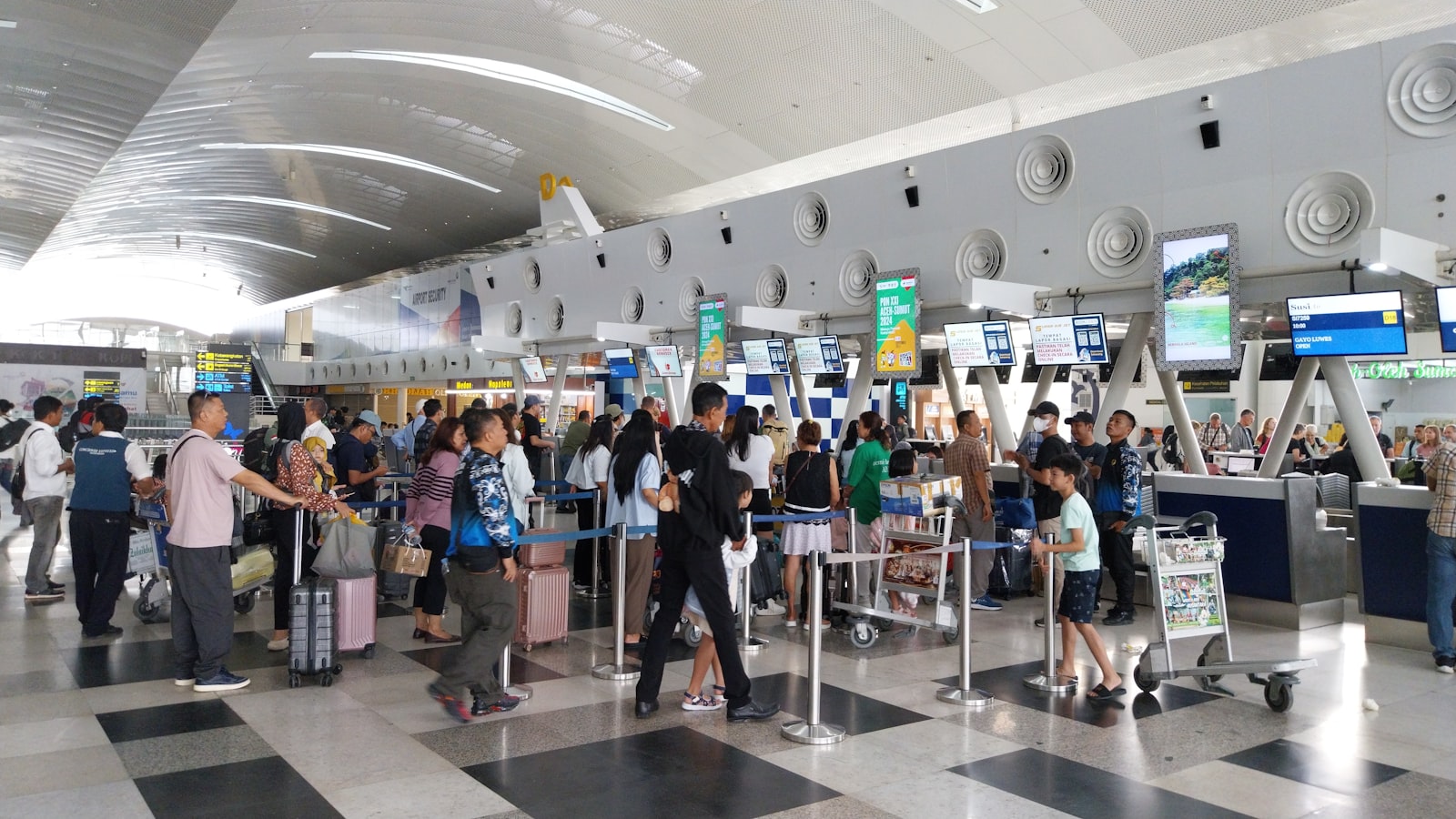
Walk-Up, FCFS, or Advance Booking? Choosing the Right Model for Your Operation
Every transport and tourism operator hits the same fork at some point. Keep the kiosk-only, walk-up, first-come-first-served model that has carried the operation for years? Open up online advance bookings and start managing capacity weeks…

Package Builder: Selling Ferry + Tour + Accommodation as One Booking
A customer in Hobart spends 11 minutes on the Bruny-style long weekend page. Ferry across on Friday afternoon, cabin Friday night, wilderness cruise Saturday morning, dinner cruise Saturday evening, ferry back Sunday. She picks her ferry…

Vehicle Ferry Capacity: Lane-Metres, Tonnage, Height, and Why It Matters
It's a peak Saturday. The 11:15 sailing shows "full" — 60 cars, sold out — and the queue at the terminal is forty deep. The skipper looks at the deck and counts eighty lane-metres of empty floor: enough for sixteen motorbikes, four small…

Tide-Aware Ticketing for Ferry Operators
The skipper is up at five. First check is the tide table, not the weather. The printed schedule says the first run leaves at 09:00, but the chart says low water is at 08:42 and the ramp won't reach the dock until the flood is well…

How to Cap OTA Inventory Without Losing Channel Marketing Reach
The OTA commission ceiling is a real thing. Viator at 20–30% per booking. GetYourGuide at similar. Expedia for accommodation legs. Booking Holdings sitting upstream of FareHarbor for activity bookings. The percentages compound — and once…

Why One-Size-Fits-All Platforms Fail Tourism Operators
A ferry operator needs lane metres and tonnage. A tour company needs equipment tracking and guide ratios. A cruise operator needs cabin categories and shore excursion bundling. Generic platforms force all of these into the same box. This…
How Transport Operators Lose Revenue Without Realizing It
Revenue leakage in transport and tourism is rarely dramatic -- it is the 3% here, the 5% there. Static pricing, underutilised capacity, channel blindness, commission creep, and manual processes that displace selling all contribute to…

The True Cost of Generic Booking Systems for Transport Operators
Most transport and tourism operators are using booking systems designed for someone else's business. This article quantifies the real cost: staff hours lost to workarounds, revenue leakage from inflexible capacity modelling, customer…

Why Venues Are Reclaiming Customer Ownership: The USD $16 Billion Wake-Up Call
Between 2019 and 2024, Ticketmaster extracted USD 16.4 billion in hidden fees from consumers. When fans experience checkout frustration, that anger attaches to the venue and artist - not the ticketing platform. This comprehensive analysis…

Why 67% of Tour Operators Still Use Spreadsheets (And What It's Really Costing Them)
Despite 94% of business spreadsheets containing critical errors, 67% of tour operators still rely on Excel for core operations. This data-driven analysis reveals the hidden costs, psychological barriers, and practical path forward for…

Peak Season Capacity Management: Mathematical Models That Actually Work for Transport Operators
Every transport operator knows peak season chaos. What if mathematical models could help you capture 15% more revenue during your busiest periods without adding a single vehicle? This comprehensive guide reveals proven formulas, from…

The Complete Guide to Fleet Management Technology for Tourism Operators
Discover how fleet management technology transforms tourism operations by streamlining scheduling, reducing costs, and enhancing safety.

How Small Ferry Operators Can Increase Revenue Through Dynamic Pricing
Half-empty sailings and sold-out ones at the same fare? That's revenue leaving the dock. A practical guide to dynamic pricing for small ferry operators.

The Future of Tourism Booking Systems: How AI and Automation Will Transform Travel in 2025
Discover how AI and automation are revolutionizing tourism booking systems in 2025, from dynamic pricing to personalized experiences.
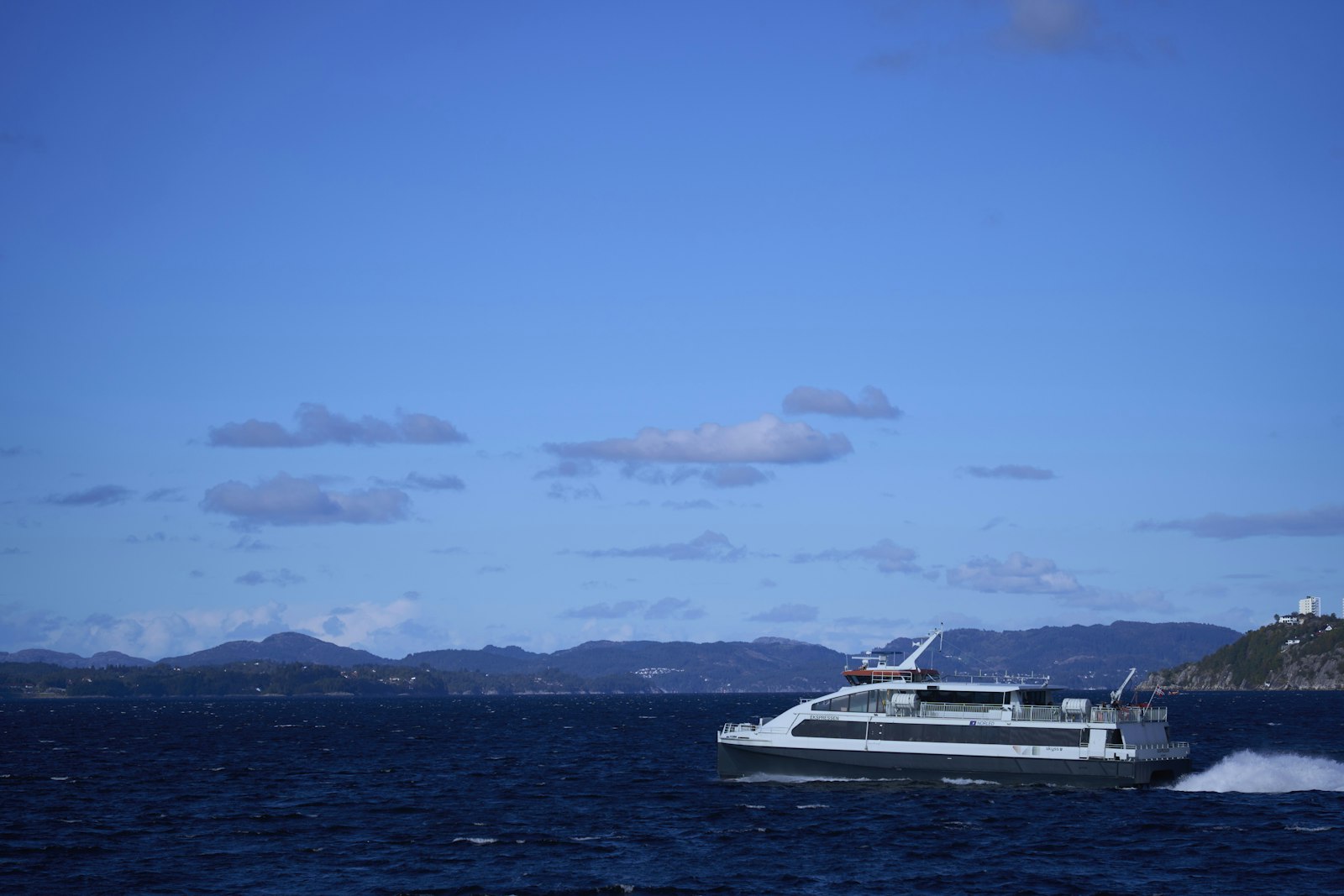
The Hidden Economics of Ferry Operations
Ferry operators worldwide face a profitability crisis with crew and fuel costs consuming 50% of operating expenses. Our analysis of 127 ferry operations reveals that 73% are operating below optimal efficiency, leaving USD .6 billion in…
More insights coming soon.
We publish data-driven analysis for transport and tourism operators.
Get in Touch© 2026 JetSetGo. All rights reserved.
Back to Home